Spring in Nova Scotia means one thing for a lot of drivers: it's time to get the boat or camper out of storage. Whether you're launching at Evangeline Beach, heading to Lake Torment, or making the run up to Cape Breton for a camping trip, the right truck makes all the difference.
Here's how to figure out whether the 2026 Ford F-150 or a Super Duty is the better fit for what you're pulling.
Start With What You're Towing
Before looking at trucks, you need to know the loaded weight of your trailer. This is where a lot of buyers make mistakes — they estimate light and end up with a truck that's working too hard on every hill between Kentville and Truro.
As a general rule:
- Fishing boats and small runabouts typically weigh 1,500–4,500 lbs loaded
- Pontoon boats usually fall between 4,000–6,000 lbs
- Travel trailers range widely, from 3,500 lbs to over 12,000 lbs loaded
- Fifth-wheel trailers often start at 12,000 lbs and go much higher
Once you have your number, you can match it to a powertrain.
When the F-150 Is Enough
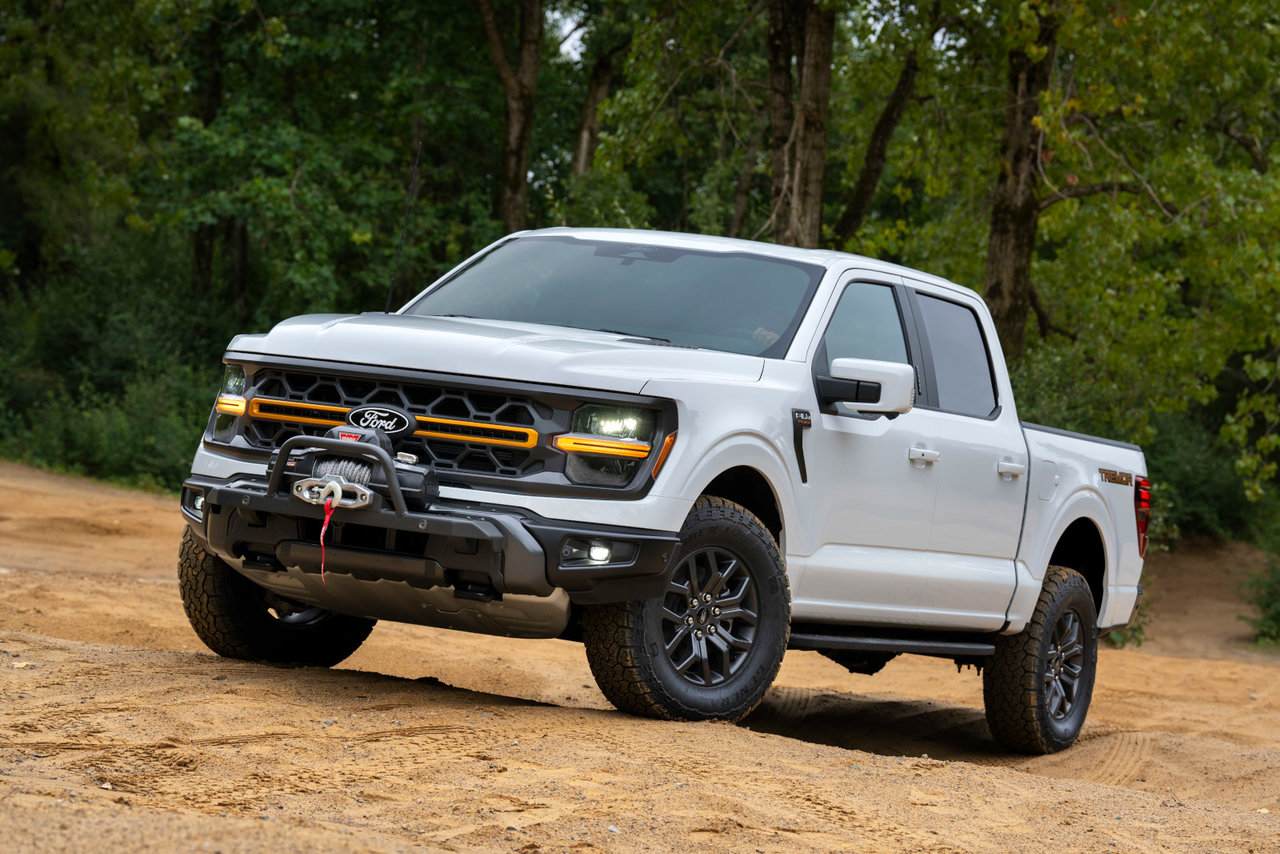
The 2026 Ford F-150 is a serious tow vehicle. With the available 3.5L EcoBoost V6, it pulls up to 13,500 lbs — more than enough for most boats, travel trailers, and campers that Nova Scotia families are working with.
For drivers who want both fuel efficiency and on-site power, the 3.5L PowerBoost Full Hybrid is worth a look. It delivers 430 horsepower, 570 lb-ft of torque, up to 11,200 lbs of towing capacity, and Ford's Pro Power Onboard system — giving you up to 7.2 kW of exportable power at the campsite without needing a separate generator.
The F-150 is the right call if your trailer is under 12,000 lbs and you use the truck for everyday driving too. Its ride quality, fuel economy, and cab comfort make it a genuinely pleasant daily driver between towing trips.
When You Need a Super Duty
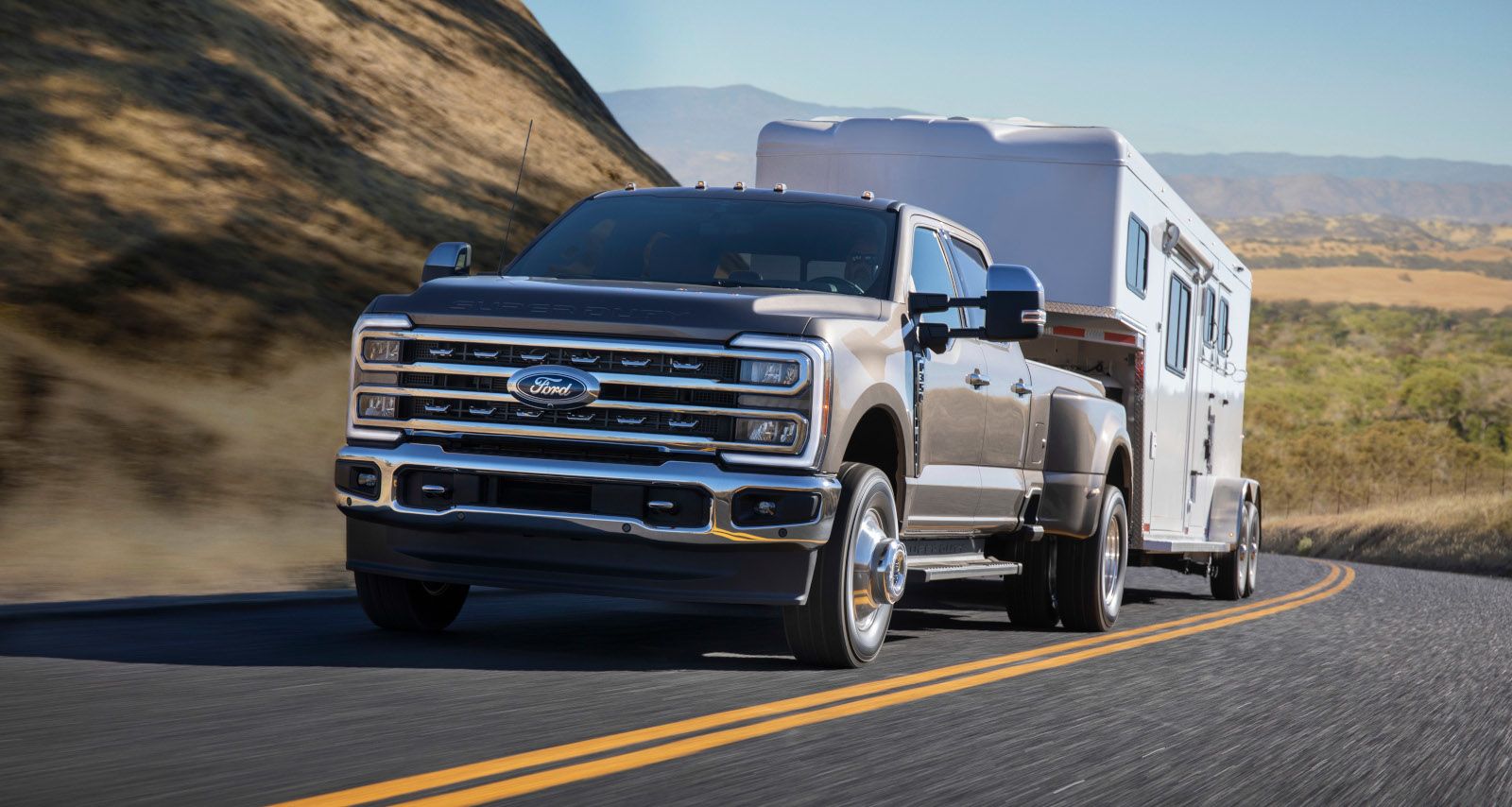
If you're pulling a large fifth-wheel, a commercial trailer, a horse trailer, or a heavier boat setup, the 2026 Ford Super Duty is in a different league entirely.
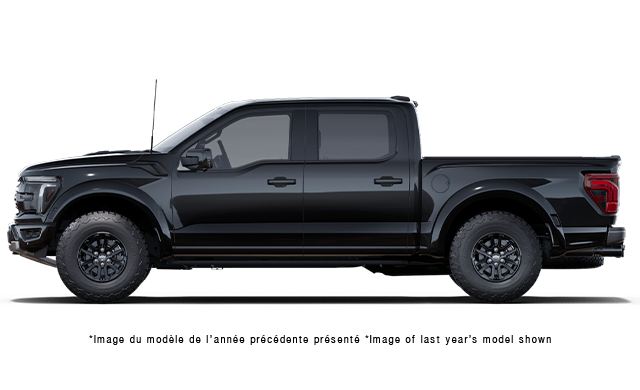
The F-250 handles conventional towing up to 22,000 lbs. The F-350 steps up to 28,000 lbs conventional and up to 38,000 lbs with a fifth-wheel or gooseneck setup. Both are available with the available 6.7L Power Stroke turbo-diesel — delivering up to 1,200 lb-ft of torque — for those who need maximum pulling power with controlled fuel consumption on long hauls.
If your camping or boating setup requires a Super Duty, you'll also appreciate the heavier-duty suspension, larger brakes, and enhanced trailer management features that come standard on the lineup.
Key Questions to Ask Yourself
Before visiting Valley Ford, it helps to think through:
- What is the Gross Vehicle Weight Rating (GVWR) of my trailer? This is on the trailer's VIN plate and is the number that matters most.
- Do I need 4x4? Most Nova Scotia boat ramps and campgrounds benefit from it, especially in spring and fall.
- Am I towing long distances regularly? If yes, the diesel engine in the Super Duty pays back its premium over time in fuel savings.
- Do I need the truck for daily driving too? The F-150 is more comfortable and fuel-efficient for everyday use.
We'll Help You Find the Right Match
At Valley Ford in Kentville, our team works with boaters, campers, and outdoor families every spring to find the right towing setup. We'll go through your trailer specs, walk you through the powertrain options, and make sure the numbers actually add up before you commit.
Contact Valley Ford or visit us in Kentville to get started.