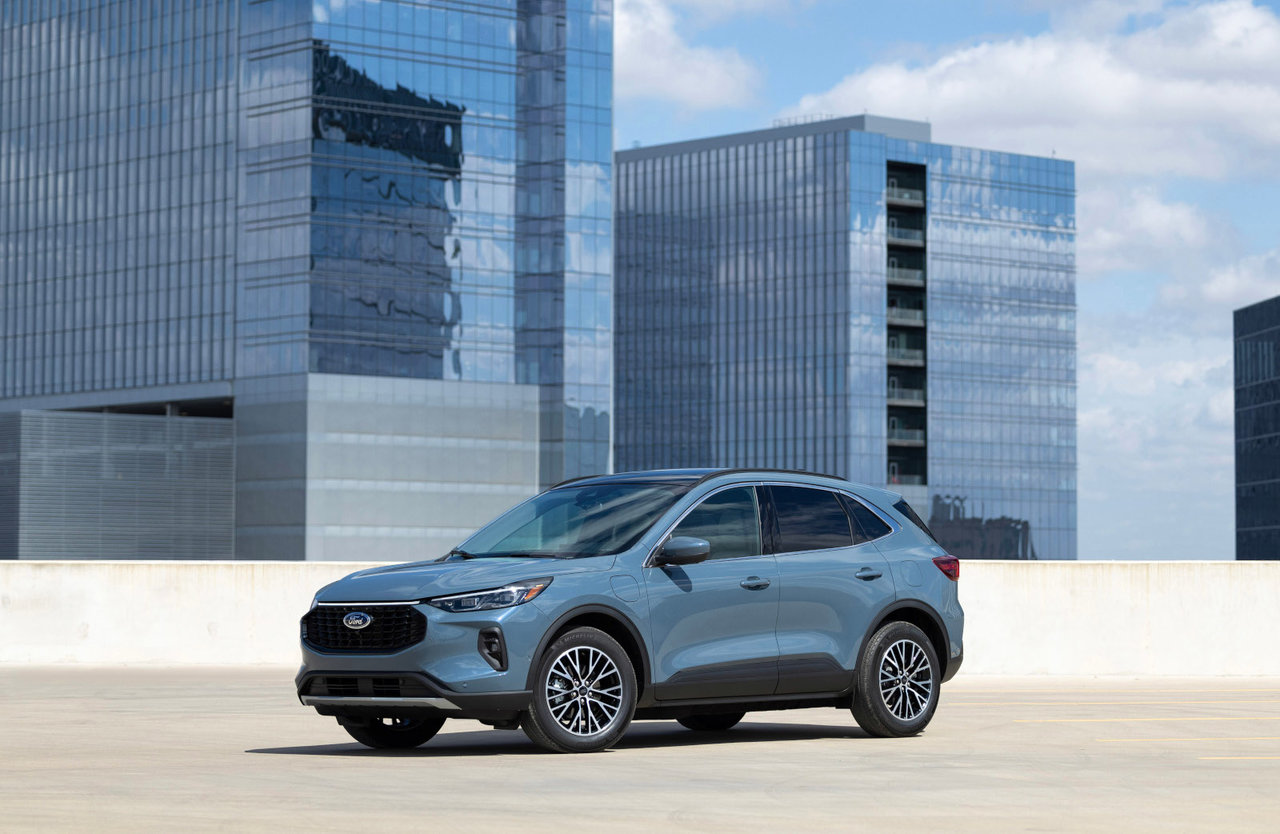
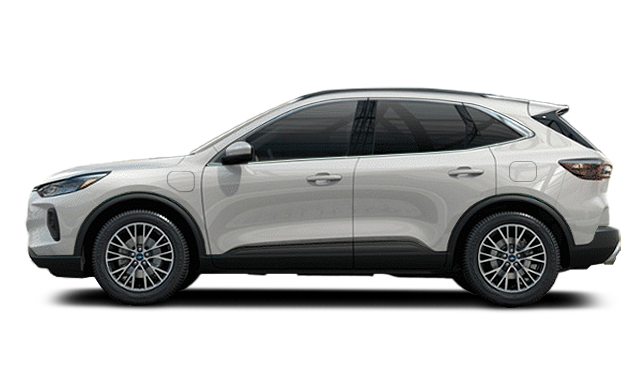
Gas prices shift throughout the year, and commutes across Nova Scotia vary from highway-heavy runs to stop-and-go city traffic. The 2026 Ford Escape offers two electrified options that address these realities in different ways. The Hybrid handles mixed driving without requiring charging infrastructure, while the Plug-In Hybrid delivers over 60 kilometres of electric range for drivers who can charge at home or work.
Understanding which powertrain suits your driving pattern depends on daily distance, charging access, and how you balance upfront costs with long-term fuel savings. Here's how each system works and where each one fits best.
At a Glance: Escape Hybrid vs. Plug-In Hybrid
|
Feature
|
Hybrid
|
Plug-In Hybrid
|
|
Total System Horsepower
|
192 hp
|
210 hp
|
|
Electric-Only Range
|
None (regenerative braking only)
|
60+ km
|
|
Drivetrain
|
FWD or AWD with AWD Disconnect
|
FWD only
|
|
Charging Required
|
No
|
Yes (120V outlet included)
|
|
Fuel Tank Capacity
|
54.1 L
|
42 L
|
|
Cargo Space (behind 2nd row)
|
974 L
|
974 L
|
|
Best For
|
Mixed city-highway driving
|
Short daily commutes with home charging
|
How Each Powertrain Works
Escape Hybrid
The Hybrid pairs a 2.5 L I-4 engine with an electric motor for a total output of 192 horsepower. Regenerative braking captures energy during deceleration and stores it in the battery. The system switches between gas and electric power automatically based on driving conditions—you don't control when the electric motor engages. There's no plug-in capability; the battery recharges only through braking and engine operation.
The Hybrid offers two drivetrain configurations. Front-wheel drive suits drivers in urban areas and southern Nova Scotia regions with milder winters. All-wheel drive with AWD Disconnect adds traction for northern climates and rural valley roads. The AWD Disconnect feature automatically switches between FWD and AWD based on road conditions, improving efficiency when four-wheel traction isn't needed.
Escape Plug-In Hybrid
The Plug-In Hybrid uses the same 2.5 L I-4 engine and electric motor setup but adds a larger battery pack that stores enough energy for over 60 kilometres of electric-only driving. The system delivers 210 horsepower—18 more than the standard Hybrid. A 120V charging cable comes standard, allowing overnight charging from a regular household outlet.
Once the battery depletes, the Plug-In Hybrid operates like a regular Hybrid, switching between gas and electric power. You don't need to plug in if you don't want to; the vehicle functions normally on gas alone. The Plug-In Hybrid is FWD only—AWD isn't offered on this configuration.
Performance and Real-World Driving
Daily Commute Scenarios
Urban and Short-Distance Driving
Drivers with daily commutes under 60 kilometres gain the most from the Plug-In Hybrid. A round trip from Kentville to Halifax (approximately 100 kilometres total) can be completed mostly on electric power if you start with a full charge. Electric operation eliminates tailpipe emissions during your commute and removes gas consumption for local errands.
The Hybrid suits drivers with unpredictable schedules who mix city and highway driving. Regenerative braking works best in stop-and-go traffic, where frequent deceleration captures energy that would otherwise be lost. Highway cruising relies more on the gas engine, with the electric motor assisting during acceleration.
Highway and Long-Distance Driving
Highway driving above 100 km/h limits electric-only operation on the Plug-In Hybrid. The gas engine handles sustained high-speed cruising. Both powertrains deliver similar highway fuel economy once the Plug-In Hybrid's battery depletes. For long trips across Nova Scotia—Kentville to Sydney, for example—both vehicles operate similarly after the first 60 kilometres.
Drivers who frequently travel longer distances may find the Hybrid's larger fuel tank (54.1 L vs. 42 L) reduces fill-up frequency. The Plug-In Hybrid's smaller tank requires more frequent stops on extended trips.
Winter Performance in Nova Scotia
Nova Scotia winters affect both powertrains. Cold temperatures reduce battery efficiency and electric range. The Plug-In Hybrid may deliver closer to 40 kilometres of electric range in sub-zero conditions compared to 60+ kilometres in moderate weather. The Hybrid's regenerative braking captures less energy in extreme cold, reducing overall efficiency gains.
AWD on the Hybrid provides better traction on snow-covered roads and icy conditions. The Plug-In Hybrid's FWD configuration handles winter driving but requires more careful throttle management on slippery surfaces.
Charging Infrastructure and Daily Routine
Home Charging for the Plug-In Hybrid
The included Level 1 charging cable plugs into any standard 120V outlet. A full charge takes approximately 10 to 11 hours using this method. Drivers with overnight parking at home can charge while sleeping, starting each day with a full battery. Level 2 chargers (240V) reduce charging time to about 3.5 hours but require professional installation.
Public Charging Availability in Nova Scotia
Nova Scotia's charging network has expanded across major routes and urban centres. Kentville drivers can access public Level 2 stations for faster charging during errands or meals. However, relying on public charging for daily use is more inconvenient than home charging. The Plug-In Hybrid works best when home or workplace charging is available.
No Charging Required for the Hybrid
The standard Hybrid eliminates charging considerations entirely. Fuel up at any gas station and drive normally. This simplicity suits drivers without dedicated parking, those in apartments or condos without charging access, and anyone who prefers not to manage charging schedules.
Capability and Practicality
Both powertrains offer identical cargo capacity at 974 L behind the second row and 1,721.6 L with seats folded flat. Towing capacity reaches 680 kg for the Hybrid and Plug-In Hybrid—enough for small utility trailers, jet skis, or lightweight camping trailers. The 2.0 L EcoBoost gas engine (not a hybrid) offers higher towing capacity at 1,587 kg for heavier loads.
Five passengers fit comfortably in both configurations. The Hybrid and Plug-In Hybrid maintain the same interior dimensions, seating positions, and comfort features. The battery pack placement doesn't compromise passenger space or rear legroom.
Which Model is Right for You?
Choose the Hybrid if:
- Your daily commute exceeds 60 kilometres
- You mix city and highway driving regularly
- You don't have reliable home or workplace charging
- You need AWD for Nova Scotia winters or rural roads
- You prefer simpler operation without charging management
Choose the Plug-In Hybrid if:
- Your daily commute stays under 60 kilometres
- You have dedicated home parking with outlet access
- Most of your driving happens locally
- You want maximum electric operation for emissions reduction
- FWD meets your traction needs
Experience the 2026 Escape at Valley Ford
The right powertrain depends on how you drive and where you charge. Both the Hybrid and Plug-In Hybrid deliver fuel savings and lower emissions compared to gas-only vehicles, but they suit different driving patterns. Book your test drive today at our Kentville dealership to compare both configurations and see which one matches your daily routine.